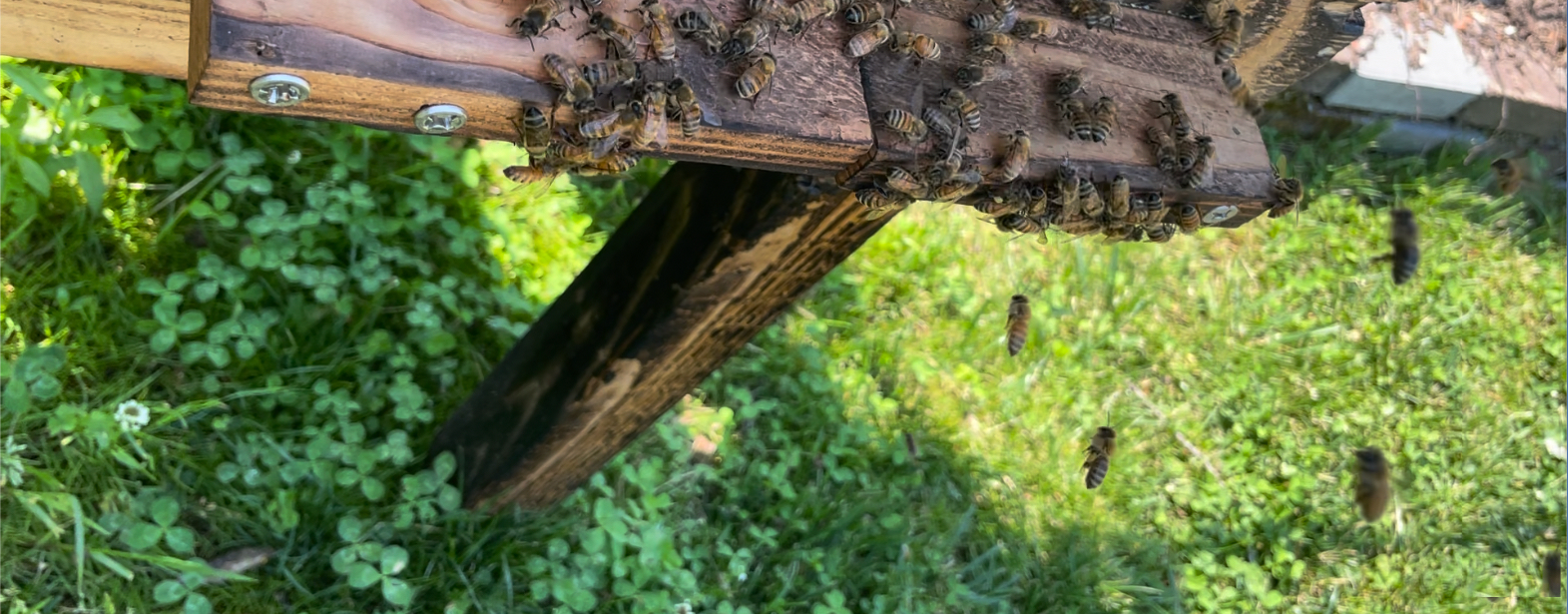
Monitor Populations
Regular field observations document colony strength, brood patterns, forage access, pest pressure, and overwintering outcomes.
Monitoring - Tracking - Research
A field-focused nonprofit watching managed and wild honeybee populations, translating data into practical action, and helping communities build healthier forage landscapes.
Mission
We Speak for the Bees exists to monitor colony health and track seasonal and year-on-year change, all in an effort to create a more complete picture of the pressures shaping honeybee survival across both managed apiaries and wild populations.
Regular field observations document colony strength, brood patterns, forage access, pest pressure, and overwintering outcomes.
Seasonal notes, nectar-flow timing, weather patterns, and local bloom calendars help reveal where bee stress is rising.
Collected observations are turned into practical guidance for beekeepers, gardeners, growers, educators, and restoration partners.
Why it matters
Mites, diseases, nutrition gaps, pesticide exposure, weather volatility, and weak late-season forage interact. A colony that struggles in winter may be telling a longer story about summer stress, fall nutrition, and parasite load.
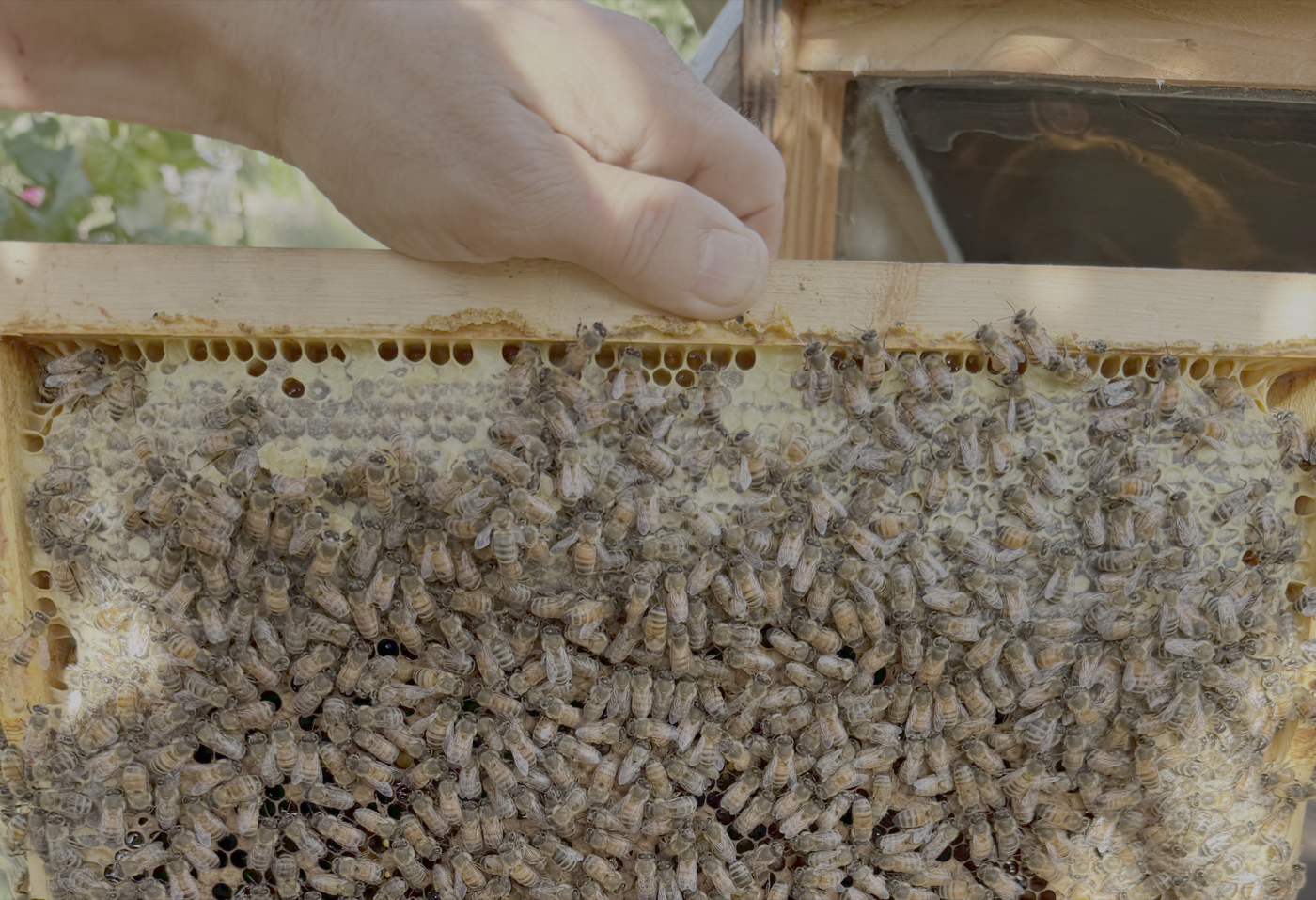
Explore
Mites, moths, beetles, diseases, overwintering stress, and how to observe them without overreacting.
Read Health GuideFind flowers, shrubs, and trees that support honeybees across USDA hardiness zones and seasonal forage gaps.
Find PlantsContribute bloom notes, host a monitoring site, sponsor a research tool, or volunteer at a community event.
Start HelpingSupport monitoring kits, data tools, forage plantings, educational materials, and local research partnerships.